Project
Vinci GT - Portuguese Sports Car
Interior design engineering for Portugal's first sports car, from concept to functional prototype

Overview
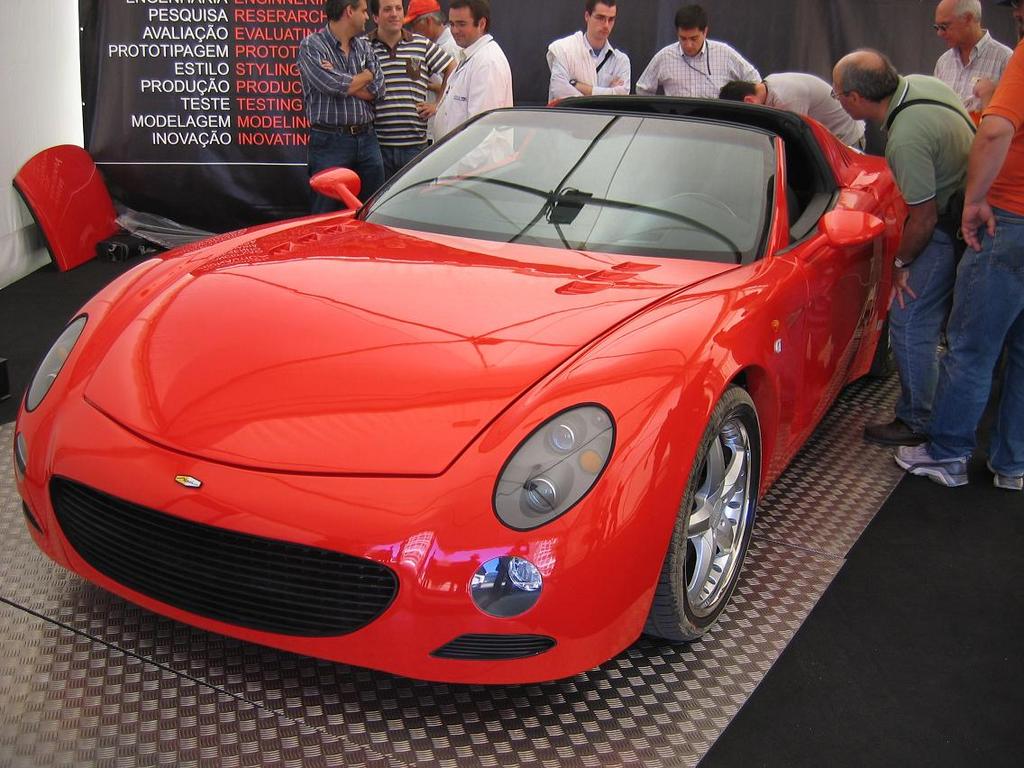
The Vinci GT represents an ambitious vision: Portugal's first sports car, developed and prototyped by Retroconcept with engineering support from CEIIA (Centre for Excellence and Innovation in the Automotive Industry). The project aimed to produce a limited edition sports car showcasing Portuguese industrial capability.
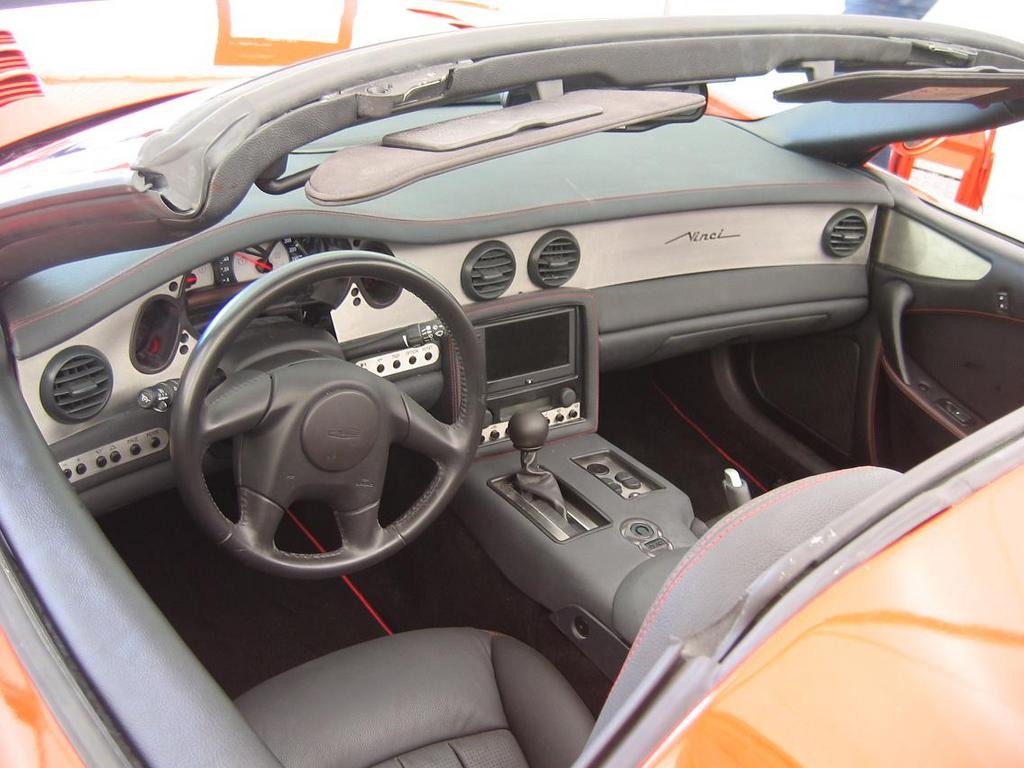
As a design engineer at CEIIA (2007-2008), I coordinated the engineering of the interior and took responsibility for elements with user interaction:buttons, knobs, displays, and all touchpoints:as well as mapping the complete electrical system. I also presented various design solutions bridging the interior designer's initial concepts and their application to the GM platform underlying the car.
The Vision
ACECIA, the client consortium, comprised various important players in Portuguese industry:ranging from plastics and metal to component production. The Vinci GT was commissioned to demonstrate Portuguese manufacturing capabilities in the demanding automotive sector.
Project goals:
- Develop a functional sports car prototype from concept to working vehicle
- Integrate Portuguese-manufactured components throughout
- Create a design that could transition to limited production
- Showcase CEIIA's automotive engineering capabilities
- Build on a proven GM platform while creating distinctive character
My Role: Interior Design Engineering
As the interior design engineer, I coordinated the translation of design concepts into functional, manufacturable components. This role sat at the intersection of creativity, engineering, and manufacturing reality.
Key responsibilities:
User Interaction Elements:
- Designed all buttons, knobs, switches, and controls
- Specified displays and instrumentation
- Engineered tactile feedback and control ergonomics
- Ensured driver reach and visibility for all controls
- Mapped complete interior electrical architecture
- Coordinated integration with GM platform electrical systems
- Specified wiring harnesses and connector locations
- Documented electrical schematics for prototype build
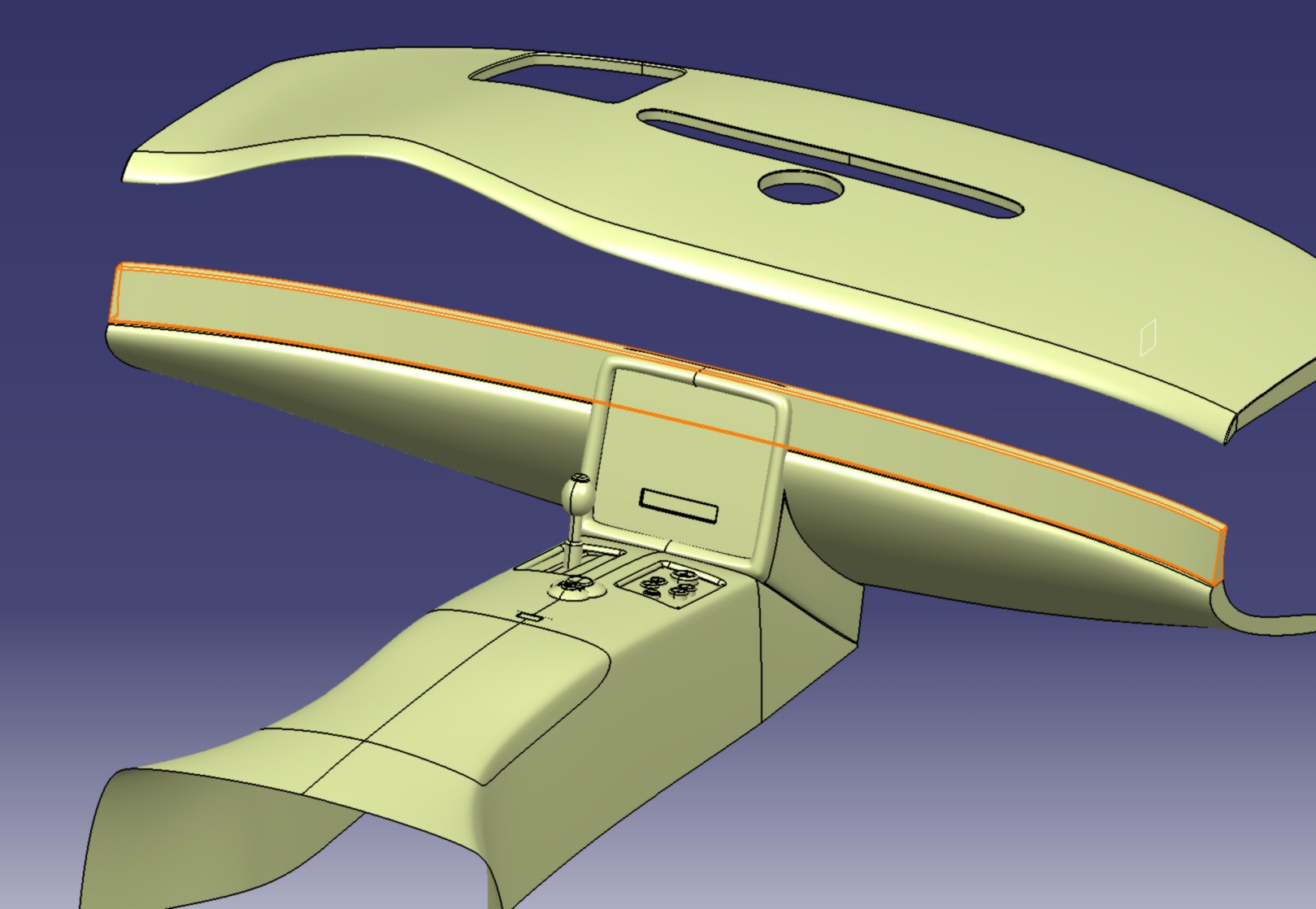
- Translated interior designer's aesthetic concepts into CAD specifications
- Proposed design solutions addressing GM platform constraints
- Coordinated between design vision and manufacturing capabilities
- Balanced aesthetic preferences with engineering requirements
Electrical System:
Design-Engineering Bridge:
Engineering Challenges
GM Platform Integration: The Vinci GT's body was custom, but the mechanical platform came from GM. This created immediate constraints:
- Dashboard had to accommodate GM steering column and pedal assembly
- Center console needed to integrate GM transmission shifter mechanism
- Door panels had to work with GM window regulators and door latches
- Seat mounting had to align with GM floor pan mounting points
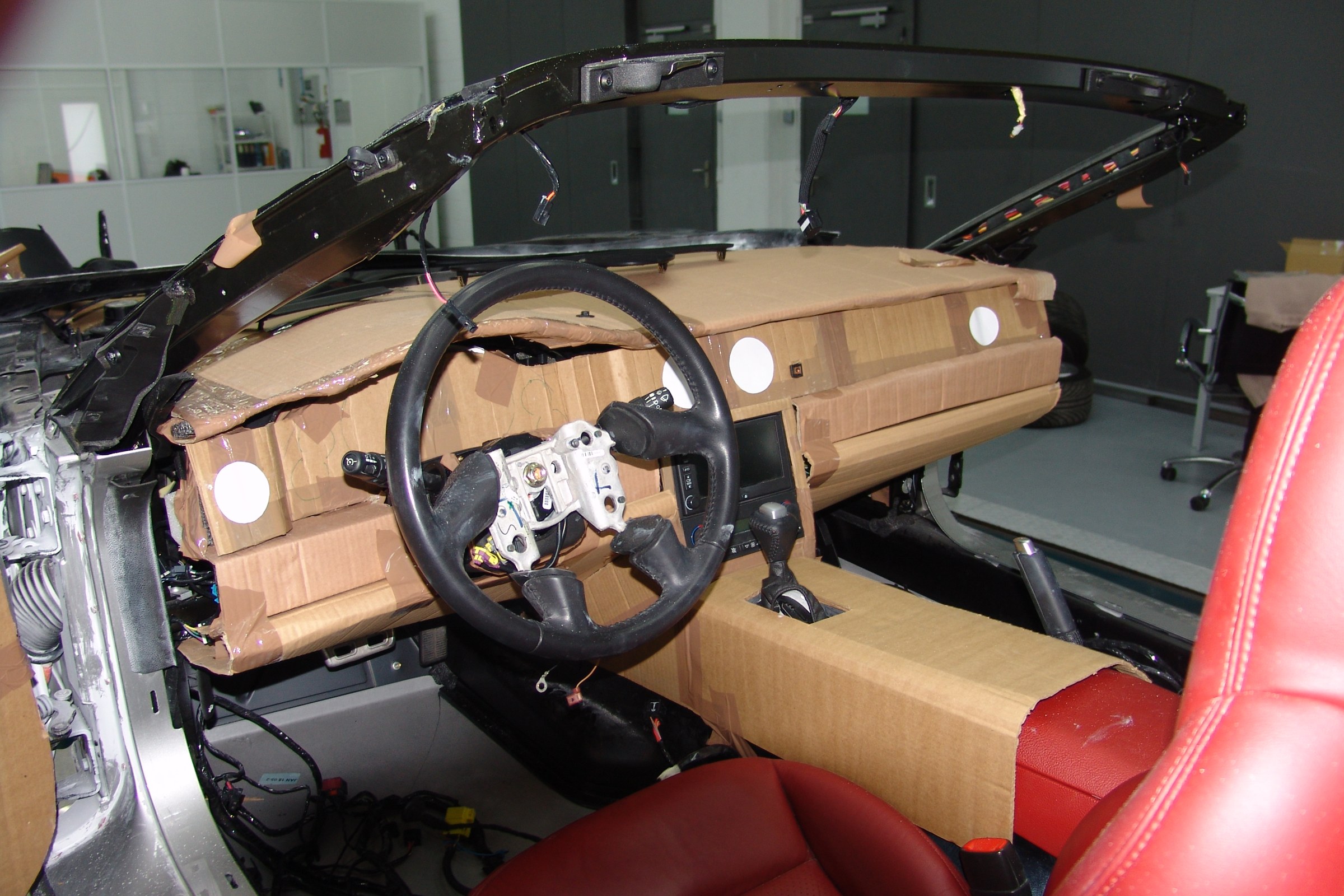
- Built full-scale mockup for ergonomic testing
- Validated driver reach to all controls
- Tested sight lines to instruments and mirrors
- Refined seating position for long-distance comfort despite sporty stance
Every design decision required checking GM platform specifications. Beautiful sketches meant nothing if they conflicted with immovable mechanical realities.
Ergonomic Validation: Sports car ergonomics differ from conventional vehicles:lower seating positions, tighter cockpits, and performance-oriented controls:
User Interaction Design
Sports car controls demand precision and feedback. Every button, knob, and switch needed to feel right:
Control Design Philosophy:
- Tactile differentiation: Drivers should identify controls by feel without looking
- Appropriate resistance: Control effort proportional to function importance
- Positive feedback: Clear indication of activation state
- Logical layout: Grouped by function and frequency of use
- Climate control knobs with detented rotation
- Window switches with appropriate throw and feedback
- Audio system controls integrated into steering wheel
- Hazard and signal switches with distinctive tactile profiles
- Instrument cluster layout optimizing information hierarchy
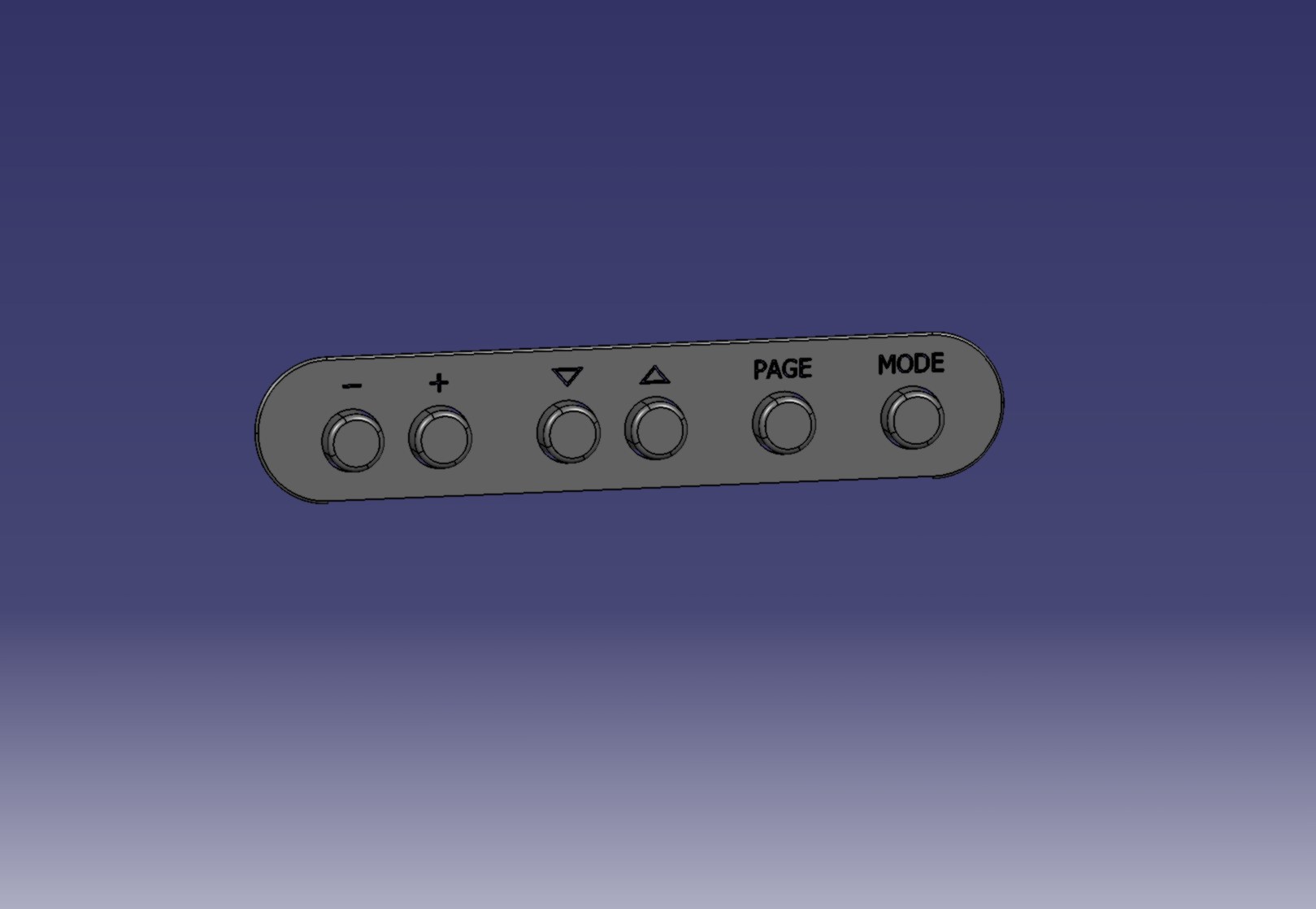
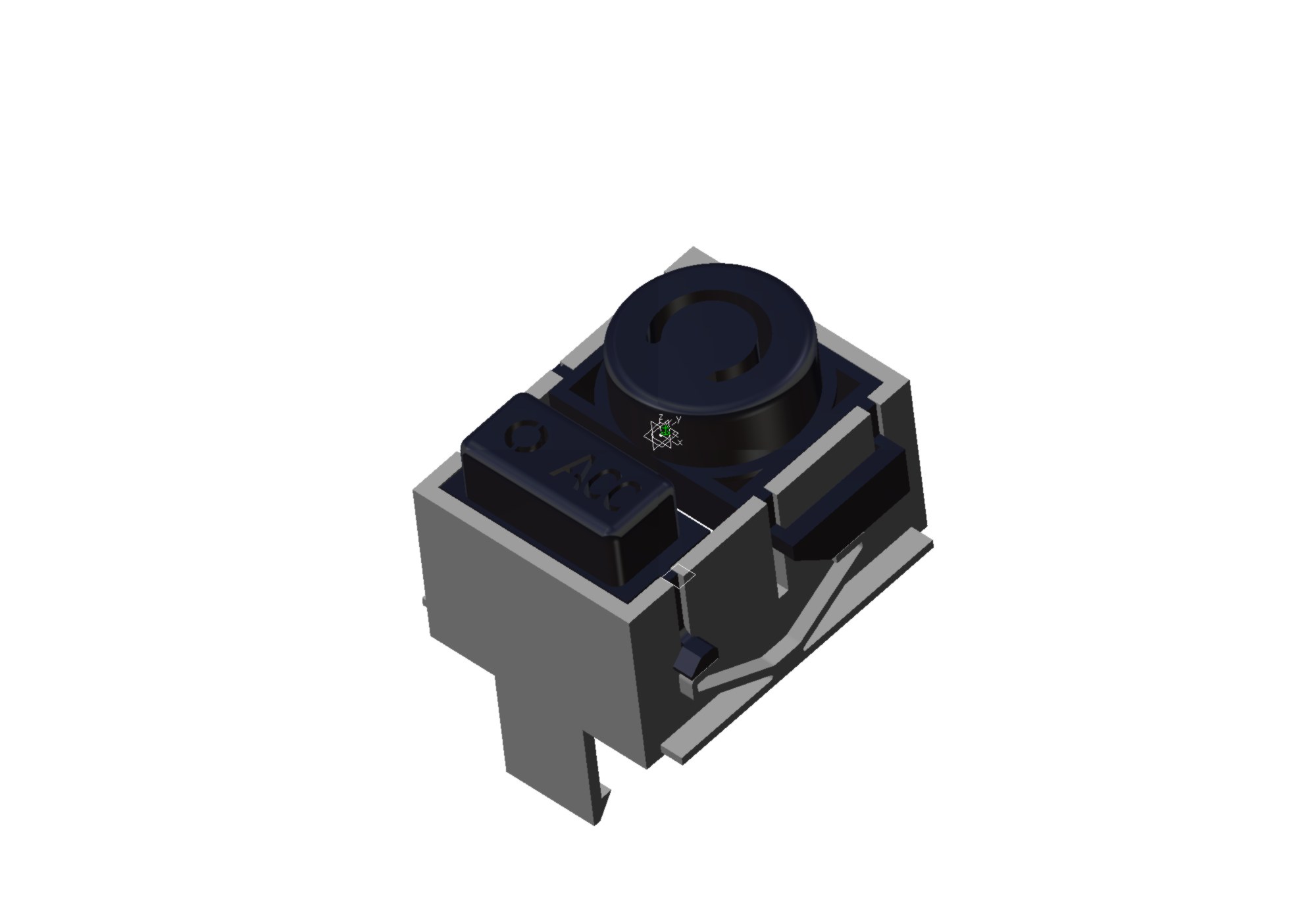
Specific elements I designed:
Each control specification required coordination with suppliers, ensuring components met tactile and aesthetic requirements within budget constraints.
Electrical System Architecture
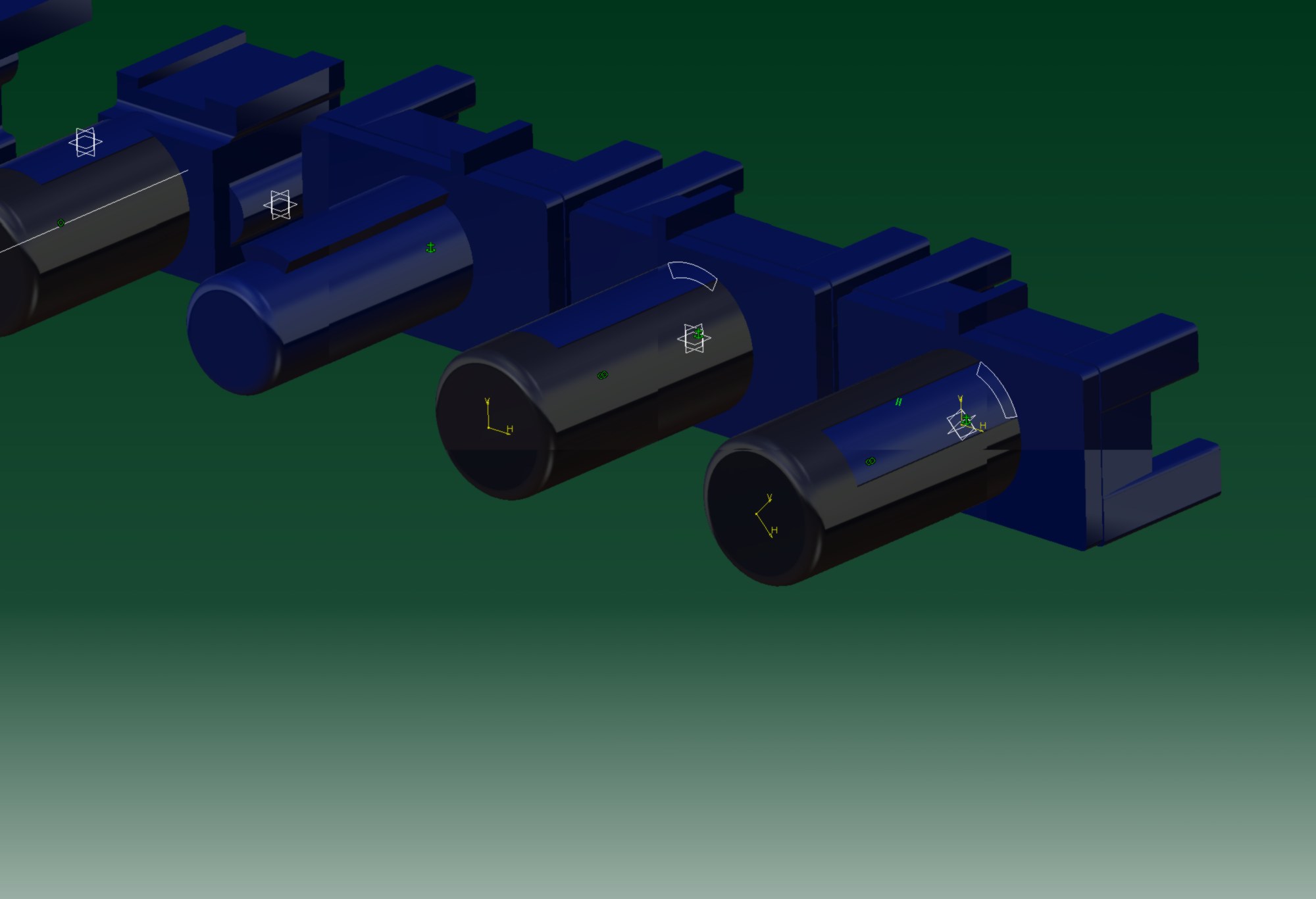
Mapping the electrical system required understanding every wire's path:
System components:
- Instrument cluster and warning lights
- Climate control actuators and sensors
- Audio system and speakers
- Power windows and mirror adjusters
- Interior and exterior lighting
- Seat heaters and adjustments
- GM platform provided some electrical infrastructure:determining what to use versus replace required careful analysis
- Custom components needed new circuits and connectors
- Wiring harness routing through tight interior spaces
- Ensuring electromagnetic compatibility between systems
- Planning for serviceability and diagnostics
Integration challenges:
I created comprehensive electrical schematics documenting every connection, enabling the prototype build team to execute the wiring correctly.
From Concept to Prototype
The project progressed through clear phases:
Phase 1: Concept Development
- Interior designer created initial sketches and renderings
- I translated concepts into preliminary CAD
- Identified conflicts with GM platform
- Proposed design alternatives maintaining aesthetic intent
- Finalized CAD for all interior components
- Specified materials and finishes
- Designed tooling for custom components
- Coordinated with Portuguese suppliers on manufacturing
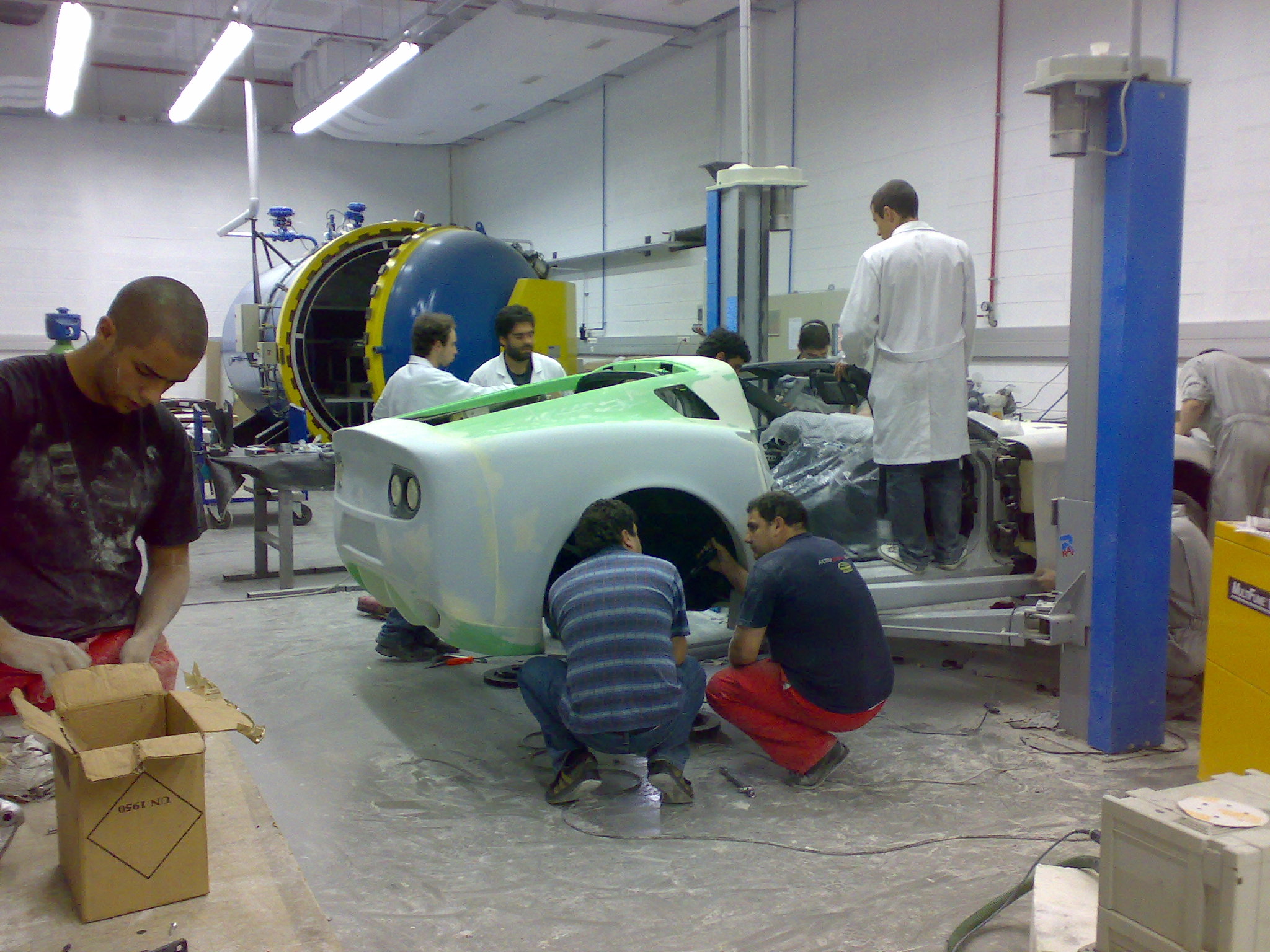
- Built full-scale interior mockup
- Conducted ergonomic testing sessions
- Refined control locations and orientations
- Validated sight lines and accessibility
- Fabricated production components
- Assembled interior in prototype vehicle
- Tested electrical systems
- Refined fit and finish
Phase 2: Detailed Engineering
Phase 3: Mockup & Validation
Phase 4: Prototype Build
Team Collaboration
The project required coordination across multiple stakeholders:
Internal (CEIIA):
- Exterior designers working on body panels
- Mechanical engineers integrating GM drivetrain
- Manufacturing engineers planning production processes
- Project managers coordinating timelines and budgets
- Retroconcept providing project vision and funding
- Interior designer defining aesthetic direction
- Portuguese component manufacturers producing parts
- GM providing platform specifications and components
External:
As interior design engineer, I served as the connection point between design intent and manufacturing reality, ensuring aesthetic vision survived the journey to functional prototype.
Trade-offs & Constraints
Budget Limitations: Limited production volumes meant tooling costs had to be minimized. This drove decisions toward simpler manufacturing processes:vacuum-formed trim pieces instead of injection molding, off-the-shelf switches instead of custom designs where acceptable. These pragmatic choices sometimes compromised aesthetic ideals but enabled project completion within budget.
Timeline Pressure: Developing a car from concept to functional prototype in under two years required compressed development cycles. Some design refinements I would have preferred were skipped to meet milestones. The prototype represents the 80% solution:good enough to demonstrate viability, but not the fully optimized product that more time would enable.
Platform Constraints: The GM platform provided proven reliability but constrained design freedom. Dashboard depth, floor pan shape, and structural mounting points were fixed. Creative interior design required working within these boundaries rather than designing from a blank sheet. This taught me that constraints often drive creativity:limitations forced innovative solutions we might not have explored otherwise.
Outcome & Impact
Prototype Completion:
- Successfully developed functional prototype from concept to driving vehicle
- Completed interior engineering on schedule and within budget
- Demonstrated Portuguese industrial capability in demanding automotive sector
- Created design that could transition to limited production
- Integrated custom interior components with GM platform successfully
- Designed user interaction elements meeting automotive quality standards
- Mapped complete electrical system enabling reliable prototype operation
- Validated ergonomics through physical mockup testing
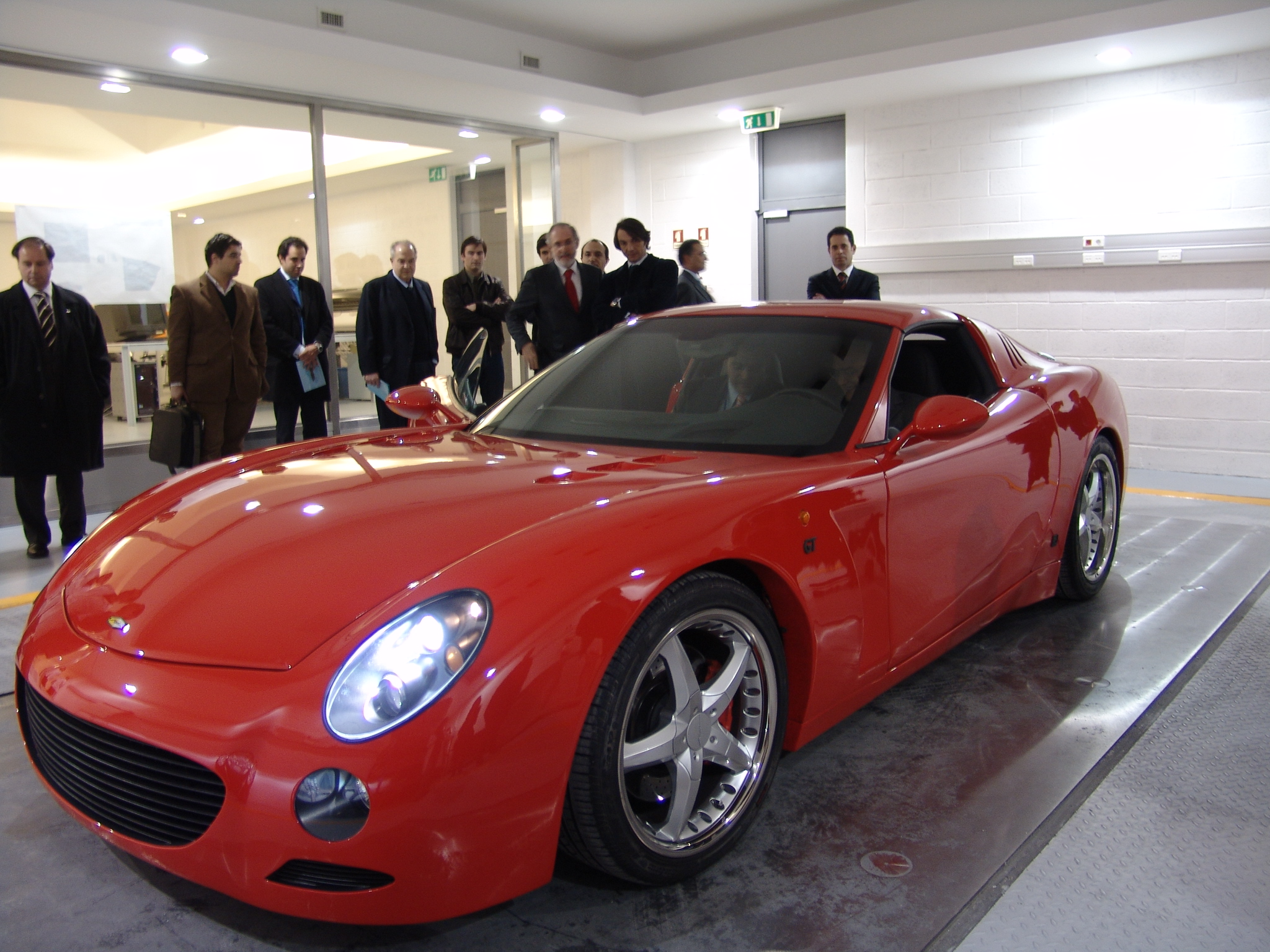
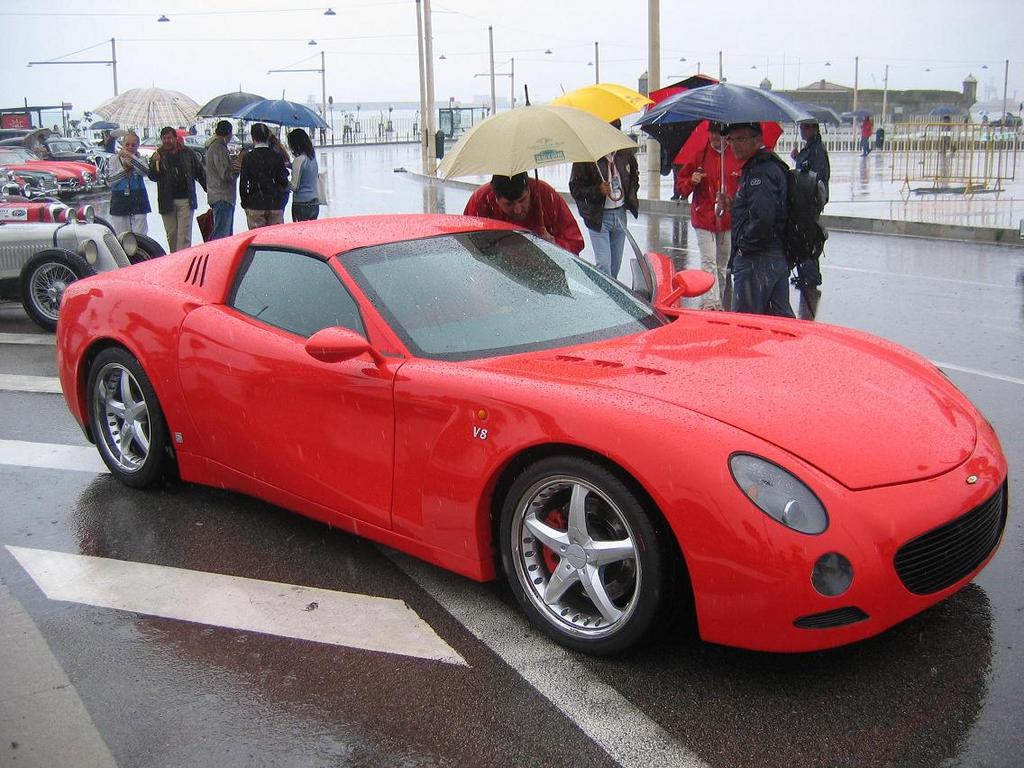
- Exhibited at Exponor, Porto (2008)
- Generated interest in Portuguese automotive manufacturing capabilities
- Established CEIIA credibility for future automotive projects
- Demonstrated feasibility of low-volume sports car production in Portugal
- First major automotive project as design engineer
- Learned automotive interior engineering from concept through prototype
- Developed skills in CAD, electrical system design, and ergonomic validation
- Gained experience coordinating between design and manufacturing
Technical Achievements:
Industry Recognition:
Personal Development:
What I Learned:
The Vinci GT taught me that automotive engineering demands balancing competing priorities:aesthetic appeal, ergonomic function, manufacturing feasibility, and budget constraints rarely align naturally. As interior engineer, my job was finding solutions satisfying all stakeholders. I learned that platform integration isn't a limitation but a discipline; working with GM's proven systems taught me to design within constraints rather than fighting them. The mockup phase showed me physical testing reveals issues CAD cannot predict:drivers' hands, postures, and sight lines behave differently than digital mannequins suggest. Finally, coordinating Portuguese suppliers reinforced that successful engineering requires clear communication; technical drawings mean nothing if manufacturers interpret them differently than intended. The prototype's completion validated that thoughtful engineering bridges design vision and manufacturing reality, creating products that work as well as they look.
Get in touch for more information or to book a consulation.
Contact MeMore
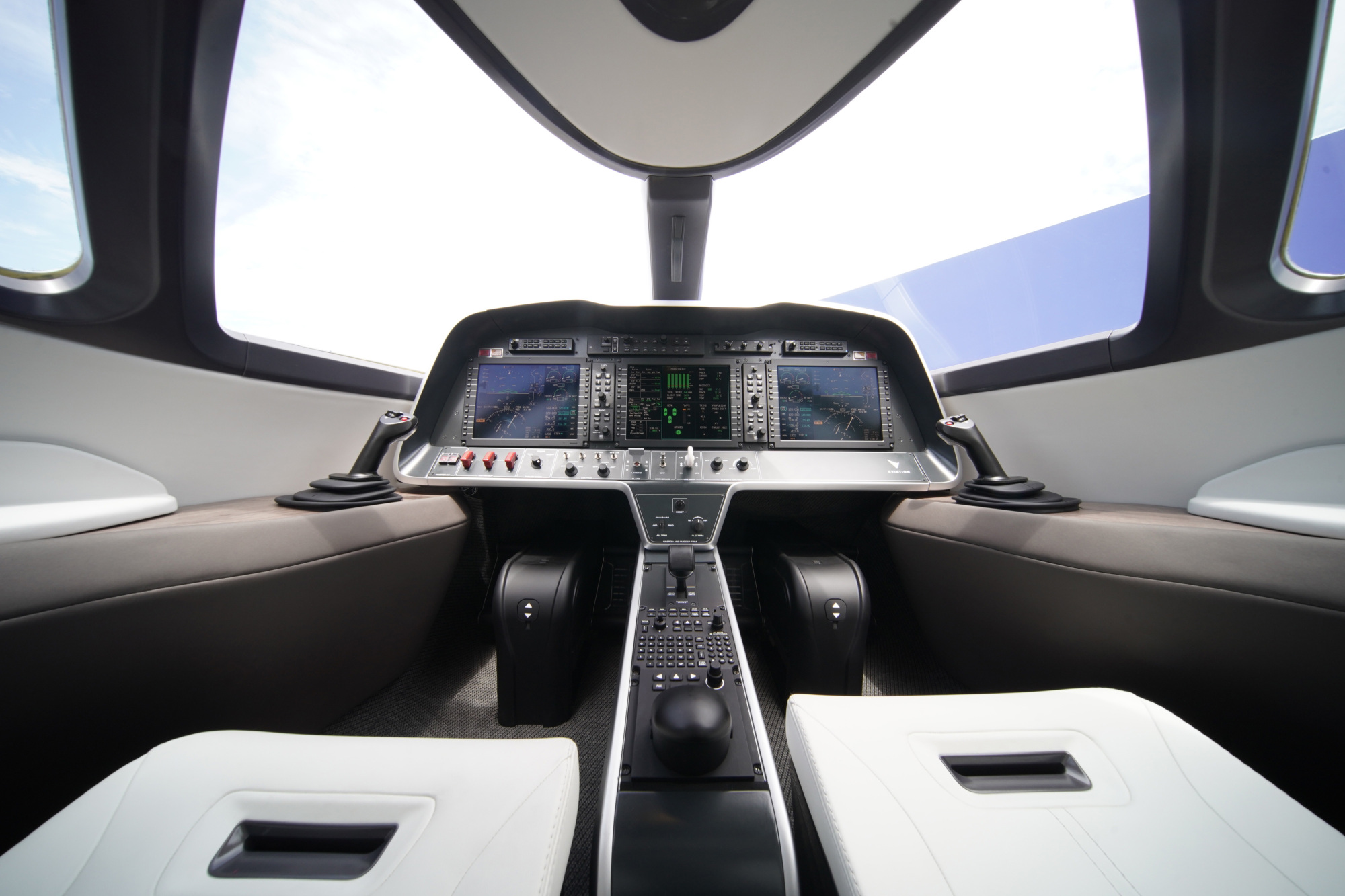
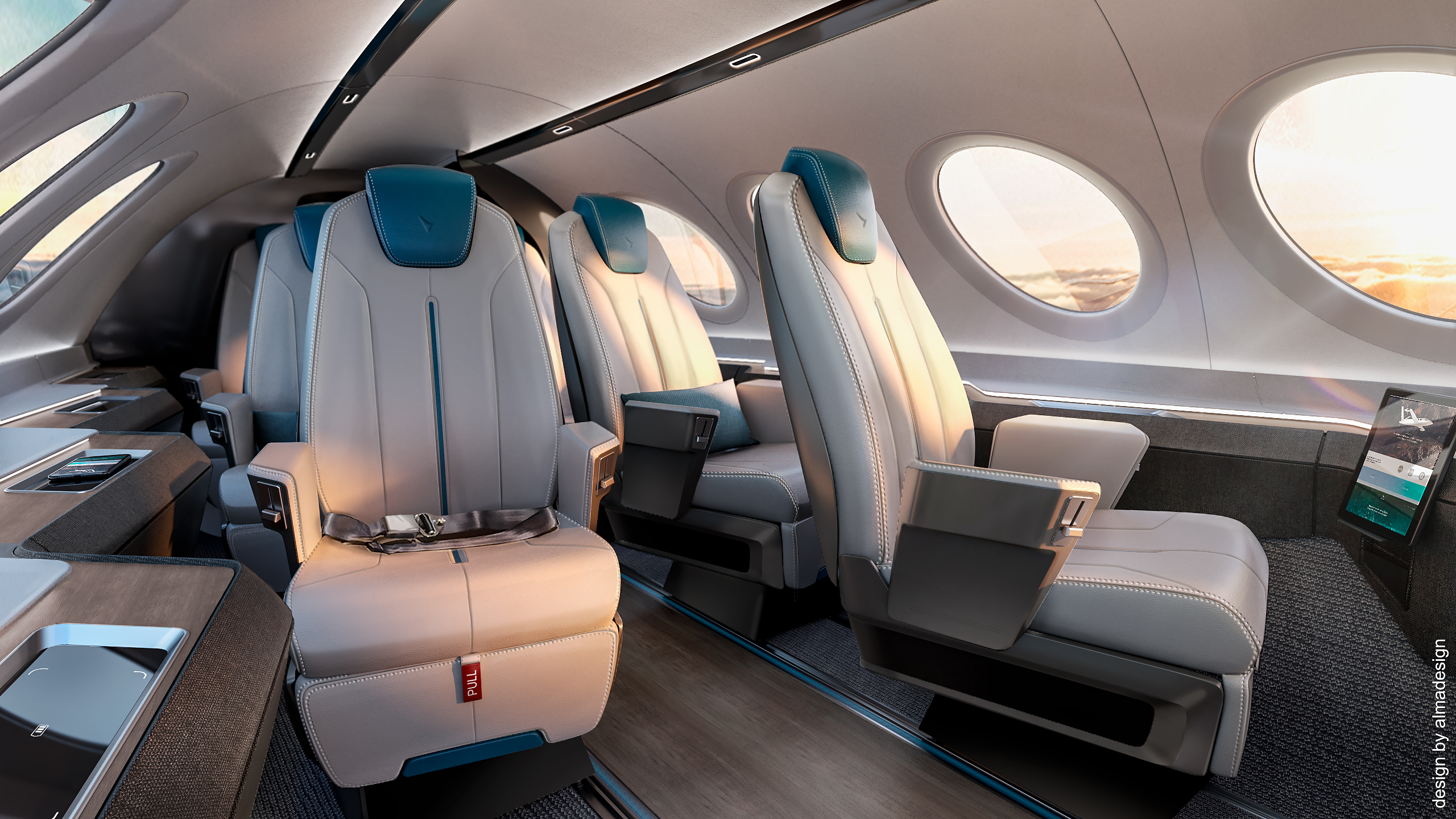
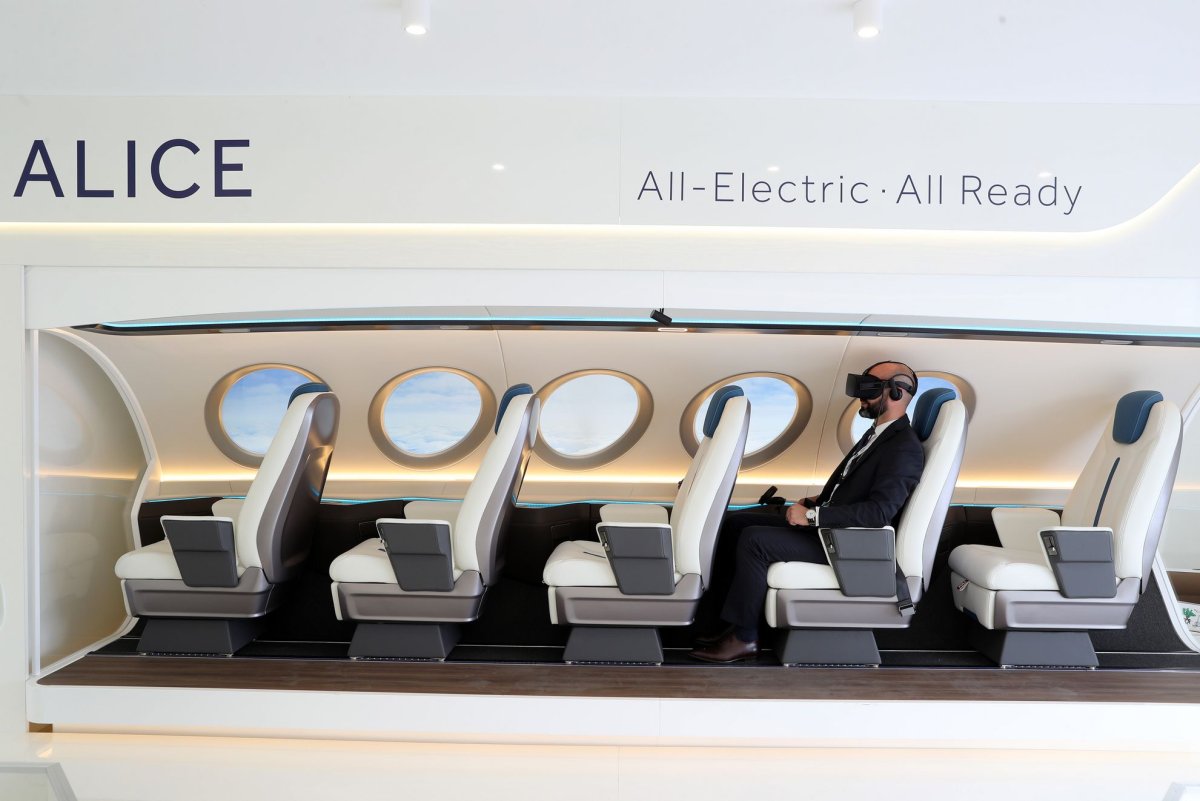
Project
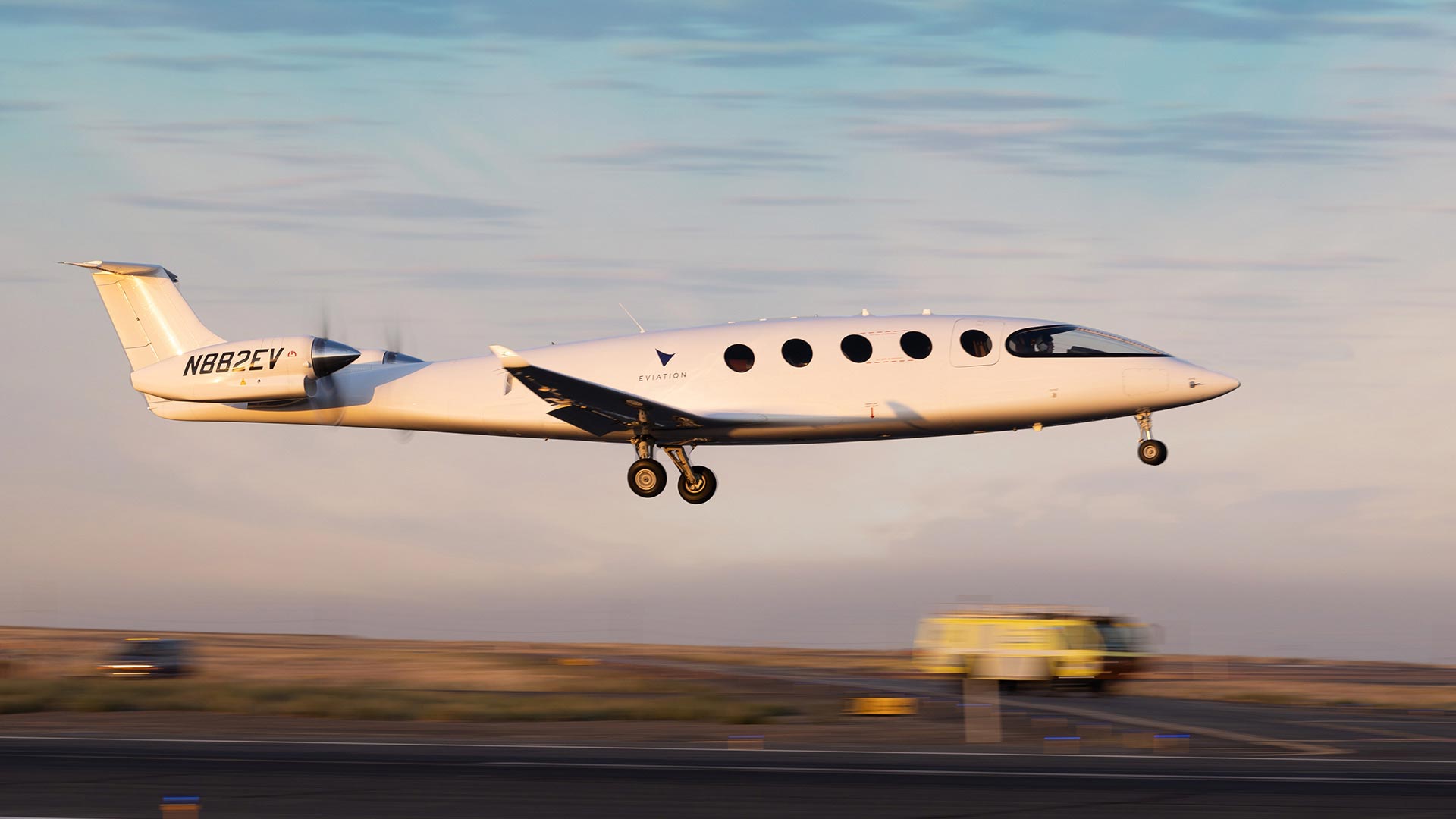
Eviation Alice - Electric Commuter Aircraft
World's first fully electric commercial airliner with bespoke glass cockpit design
World's first fully electric commercial airliner with bespoke glass cockpit design
See Project